Yes, yoga can help with lower back pain. Multiple clinical reviews have found that a regular, gentle yoga practice reduces back pain and improves function for people with non-specific chronic lower back pain, with results comparable to other forms of guided exercise.
That said, not all yoga and not all back pain are the same. Here is what the research supports, what the practice actually does in your body, and how to get started without making things worse.
Why lower back pain is so persistent
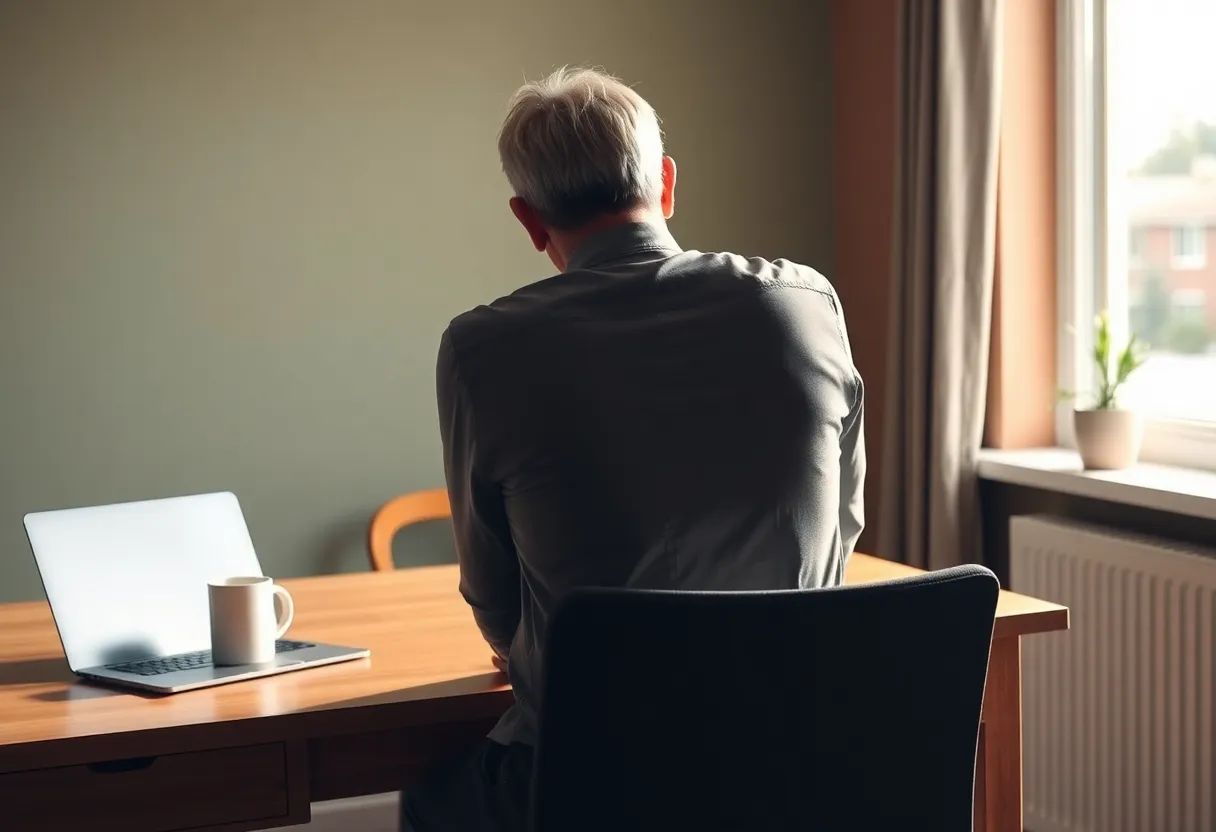
Most lower back pain in adults who sit for long hours is not caused by a single injury. It builds slowly, over months or years, from a pattern the body learns and then defaults to.
When you sit for most of the day, two things happen. The hip flexors at the front of your hips shorten from being held in one position for hours. And the muscles that run along your lower back begin doing work that your hips and mid-back should be sharing. The lumbar spine is designed to be a stable link in a chain. When the joints above and below it stop moving well, it overworks. That is where the ache comes from.
Massage helps for two or three days. Painkillers quieten the signal. Neither addresses the pattern. This is why the pain keeps returning.
What yoga does differently
A yoga practice works on three things at once: mobility in the joints, length in the muscles, and gentle activation of the stabilising muscles around the spine and pelvis. Done well, that combination addresses the pattern, not just the symptom.
The key phrase is "done well." A class that asks you to push hard into a deep forward fold, or that moves quickly without attention to how your lower back is holding itself, will not help and may set you back. Gentle, well-cued practice, where the teacher explains what each movement is asking your body to do, is the version the research consistently supports.
A few approaches that are particularly useful
Releasing the hip flexors
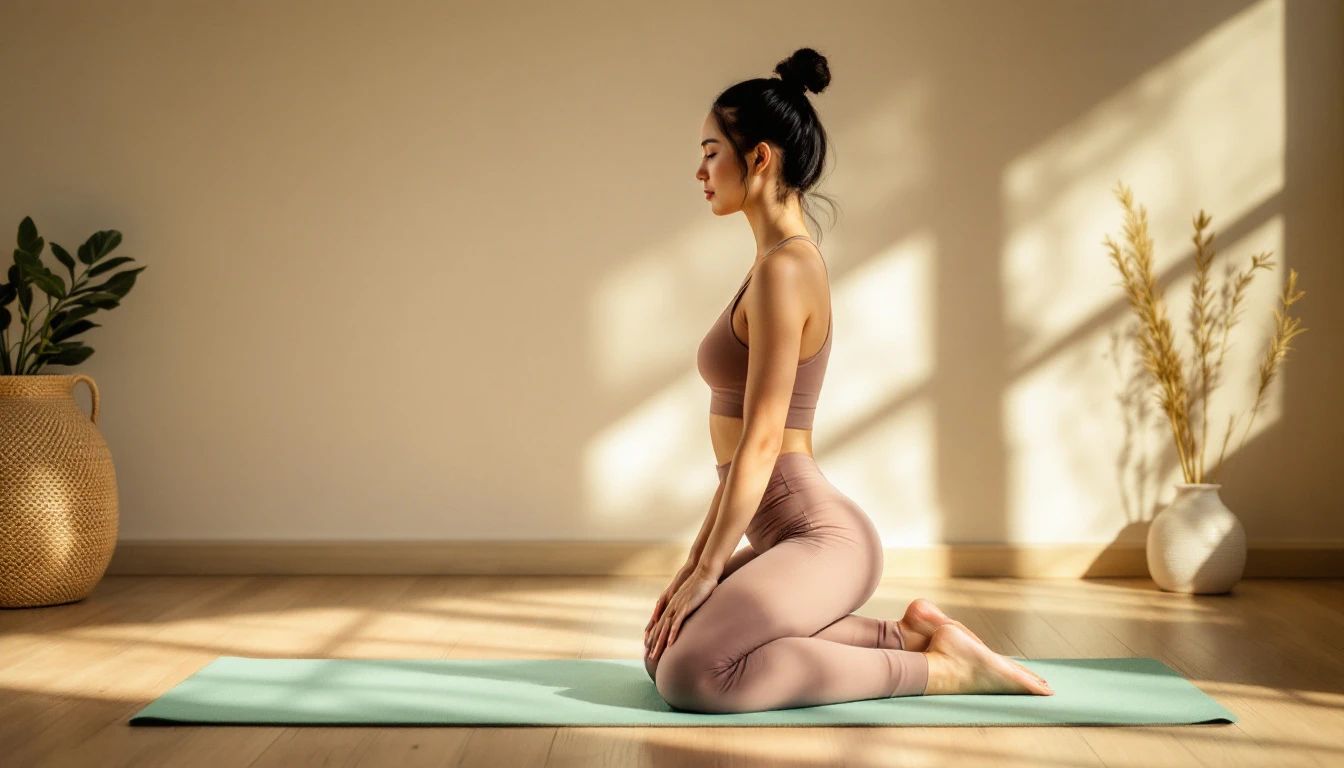
One of the most effective things a yoga practice can do for a sore lower back is restore length to the hip flexors. When these muscles are chronically short, they tilt the pelvis forward and compress the lumbar vertebrae. A low lunge, held for a minute per side with attention to keeping the lower back long rather than arched, begins to reverse that pattern.
The signal to watch for: if a low lunge makes your lower back ache, you are likely arching it rather than keeping it neutral. The goal is to feel the front of the hip on the back leg opening. Nothing should be happening in the lower back at all.
Opening the mid-back
The thoracic spine, the middle and upper portion of your back, loses its natural extension when you sit with a rounded posture. When it stiffens, the lower back compensates by moving more than it should. A gentle chest-opening pose, like lying over a rolled blanket placed under the shoulder blades, or a supported backbend with a chair, restores some of that range without loading the lumbar spine.
This is one reason yoga often helps back pain in ways that lower-back-specific stretches alone do not. The lower back does not exist in isolation.
Building stability, not just flexibility
Most people assume lower back pain means they need to stretch more. Sometimes the opposite is true. The deep muscles that stabilise the spine, including the ones that wrap around the lower back close to the vertebrae, are often underactive rather than tight. When they are not engaging reliably, the body uses the larger surface muscles to compensate, and those muscles are not built for sustained stabilising work.
Poses that ask you to hold a stable spine while moving a limb, such as a bird-dog from hands and knees, train exactly this. The back stays still while the arm or leg moves. Done slowly and with attention, this is effective load work for the system that keeps the lower back safe, without forcing any painful range of motion.
When to see a doctor first
If your back pain started suddenly after a fall or accident, radiates down one leg with a sharp or electrical quality, or comes with any changes in bladder or bowel control, see a doctor before starting any new exercise practice. These are signs that need medical assessment.
For the far more common experience, the chronic, low-grade ache that has been building for months and tends to worsen after sitting, a gentle yoga practice is generally considered appropriate and safe. Start conservatively. If any pose makes the pain noticeably worse, skip it. A good teacher will always offer modifications.
What "well-guided" actually means in practice
The difference between a yoga practice that helps your back and one that does not often comes down to one thing: whether the teacher is watching your body mechanics, or simply calling out pose names.
A useful cue sounds like this: before you fold forward, check whether the movement is coming from your hips or your lower back. If it is the lower back, bend your knees slightly and keep a long spine. An unhelpful cue is simply "fold all the way down and touch the floor."
Live classes, with a teacher who can observe and respond, tend to produce better results than video libraries for this reason. Lower back pain requires attention, not just instruction. Your pattern is specific to you.
Where to start
Research on yoga and chronic lower back pain shows consistent benefit at around eight to twelve weeks of regular practice. That is not a long time. Most people who maintain a practice through that period notice a shift: fewer stiff mornings, less fatigue by mid-afternoon, more confidence in everyday movement.
At Inner Heal Transformation, the live online group classes run 60 to 75 minutes and are designed for exactly this kind of student: cautious, not especially flexible, wanting clear guidance rather than encouragement to push harder.
If you have been looking for a structured starting point, the first-month trial gives you 30 days of unlimited live online classes for SGD 196. One month is enough time to feel whether this practice is the one that stays.