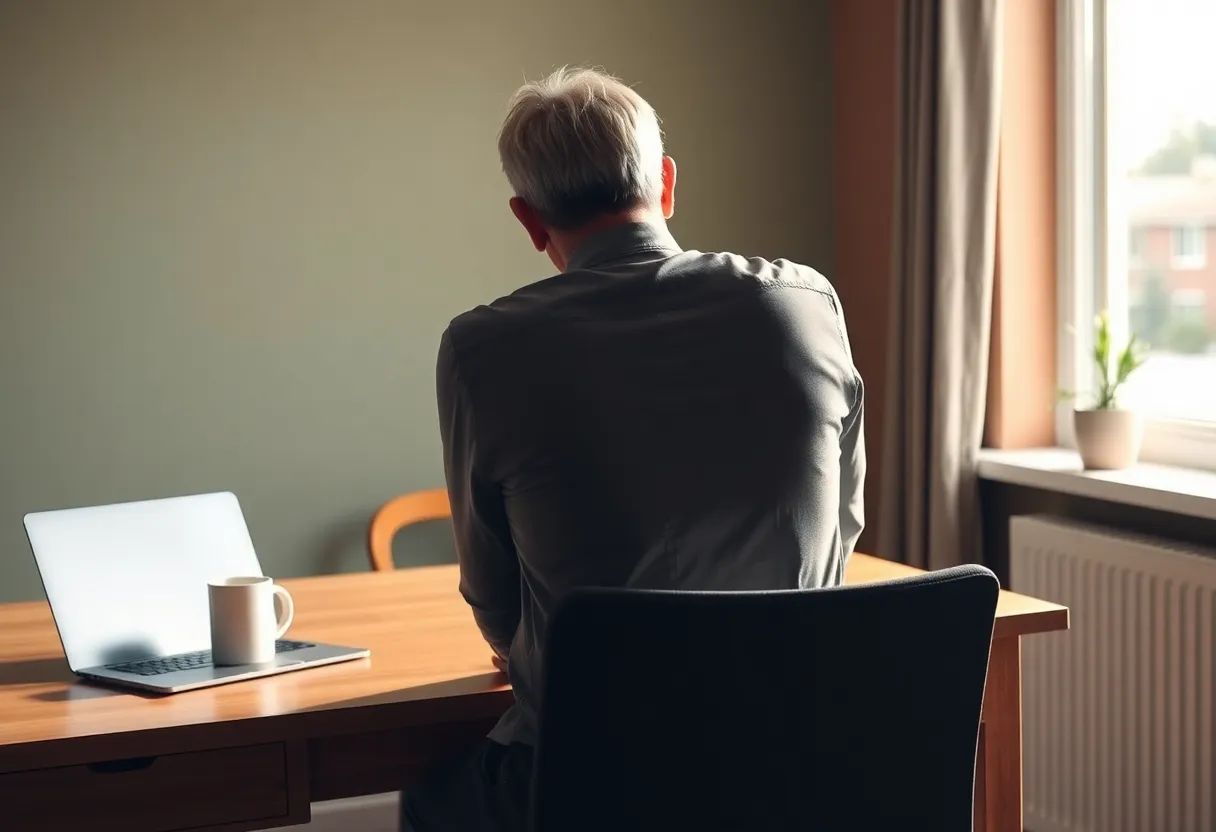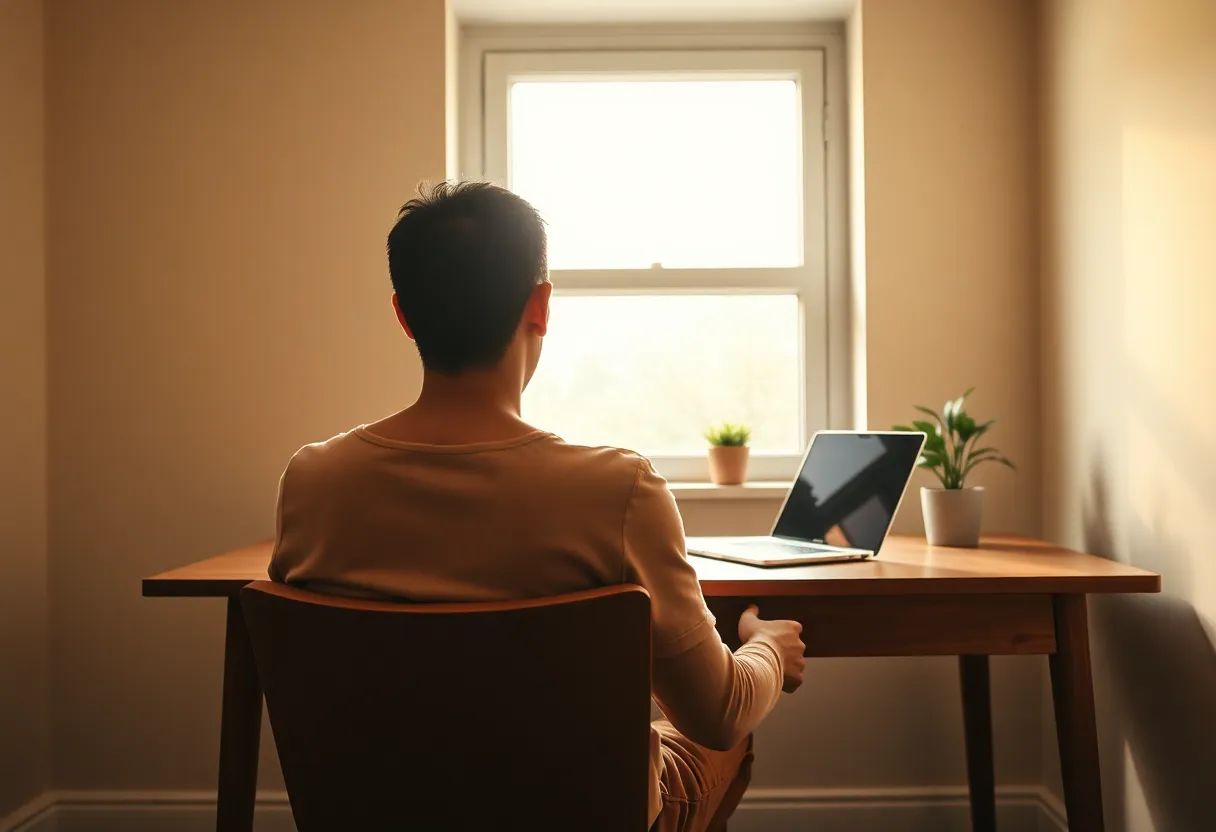
If you spend most of your day in a chair, your hips spend most of the day folded to roughly a right angle. They are comfortable there, and that is exactly the problem. Muscles settle into the length you ask of them most often. Sit for years and the front of the hips slowly learns to be short, while the muscles that should help you stand tall and walk well grow quiet. The stiffness you feel when you finally get up is the bill for all that sitting.
You do not need deep or advanced poses to undo it. Gentle hip work, done often, at home, gives the front of the hips a reason to lengthen and the back of the hips a reason to wake up.
Why does sitting make your hips tight?
At the front of each hip sits a group of muscles called the hip flexors, with the iliopsoas as the main player. They run from the lower spine and pelvis to the top of the thigh, and their job is to lift the knee and bend the hip. When you sit, they rest in a shortened position for hours at a time. Held short often enough, they begin to feel tight and resist lengthening when you stand.
Meanwhile the glutes, the large muscles at the back of the hip, switch off while you sit on them. Short hip flexors at the front and sleepy glutes at the back tilt the pelvis forward and tug on the lower back. That is why tight hips so often travel with a nagging lower back ache.
How tight hips show up elsewhere
The hips sit in the middle of the body, so when they stop moving well, other places pick up the slack. The lower back arches and aches. The knees take on rotation they were not built to manage. Walking and climbing stairs feel stiff first thing in the morning. Freeing the hips often quietens complaints that seemed to belong to the back or the knees.
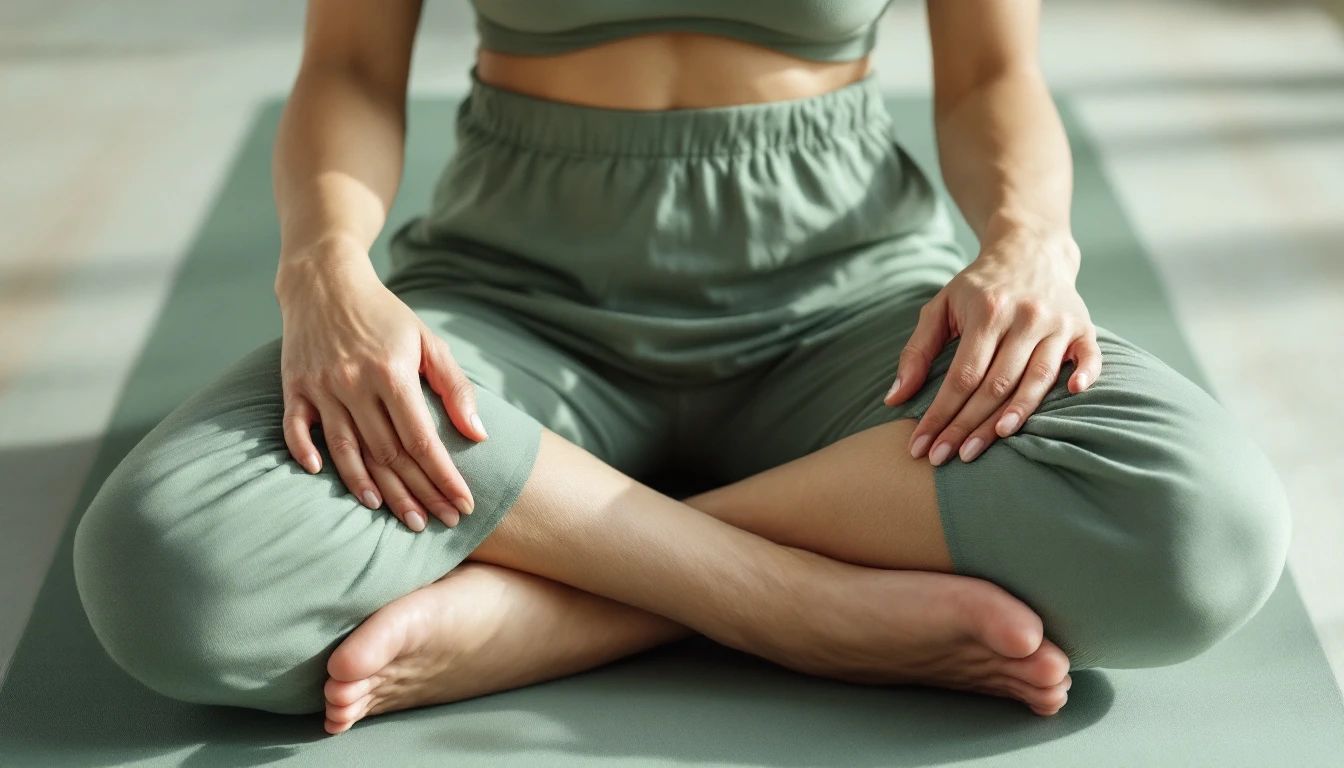
Five gentle hip openers for desk-bound days
Move slowly, breathe out as you ease in, and keep every position just shy of sharp sensation. A folded blanket or cushion under a knee makes any of these kinder.
Low lunge
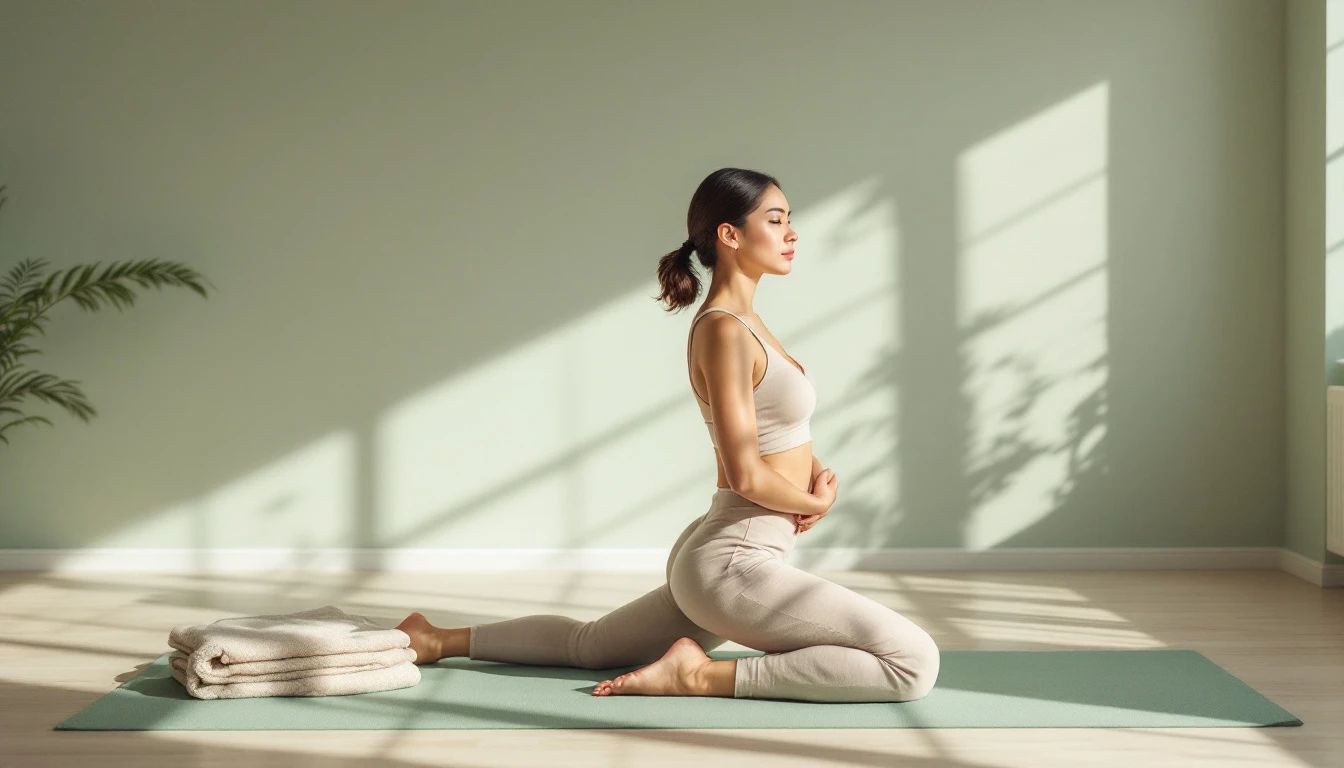
From hands and knees, step one foot forward between your hands and let the back knee rest on a folded blanket. Ease your hips gently forward until you feel a soft stretch across the front of the back hip. Stay for five slow breaths, then change sides. This is the most direct release for short hip flexors.
Reclining figure four
Lie on your back with knees bent. Cross your right ankle over your left thigh, then reach behind the left thigh and draw it gently toward you. You will feel this in the outer right hip and glute. Hold for five to eight breaths on each side.
Bridge
Lie on your back, knees bent, feet flat. Press through your heels and lift your hips, squeezing the glutes at the top. Lower slowly. Repeat ten times. This wakes the muscles that sitting puts to sleep.
Butterfly
Sit tall, bring the soles of your feet together, and let your knees fall open. Sit on the edge of a cushion to make it easier. Stay for several slow breaths. This opens the inner thighs and groin.
Happy baby
On your back, draw both knees toward your chest, take hold of the outer edges of your feet, and let the knees widen toward the floor. Gentle rocking from side to side feels good on the lower back too.
When to ease off or get it checked
Hip work should feel like a stretch, never a sharp catch. See a doctor or physiotherapist if you have sharp pain deep in the groin, painful clicking or locking, pain that wakes you at night, or any pain that follows a fall. Gentle yoga is for stiffness, not for an injured joint.
Build it into your day at home
The hips tighten through hours of sitting, so the answer is a little movement scattered through the day rather than one long session. Stand and take a few slow hip circles between meetings. Drop into a low lunge while the kettle boils. Practising at home makes that realistic, since the mat is already there and nothing needs scheduling.
If you would rather be guided through a full sequence, Inner Heal runs gentle live online classes you can join from home, paced for bodies that have been sitting all day rather than for athletes. Steady, kind attention beats the occasional deep stretch every time.
Hips that tighten daily need something that runs daily. Start your first month for SGD 196 and practise as often as you like.